
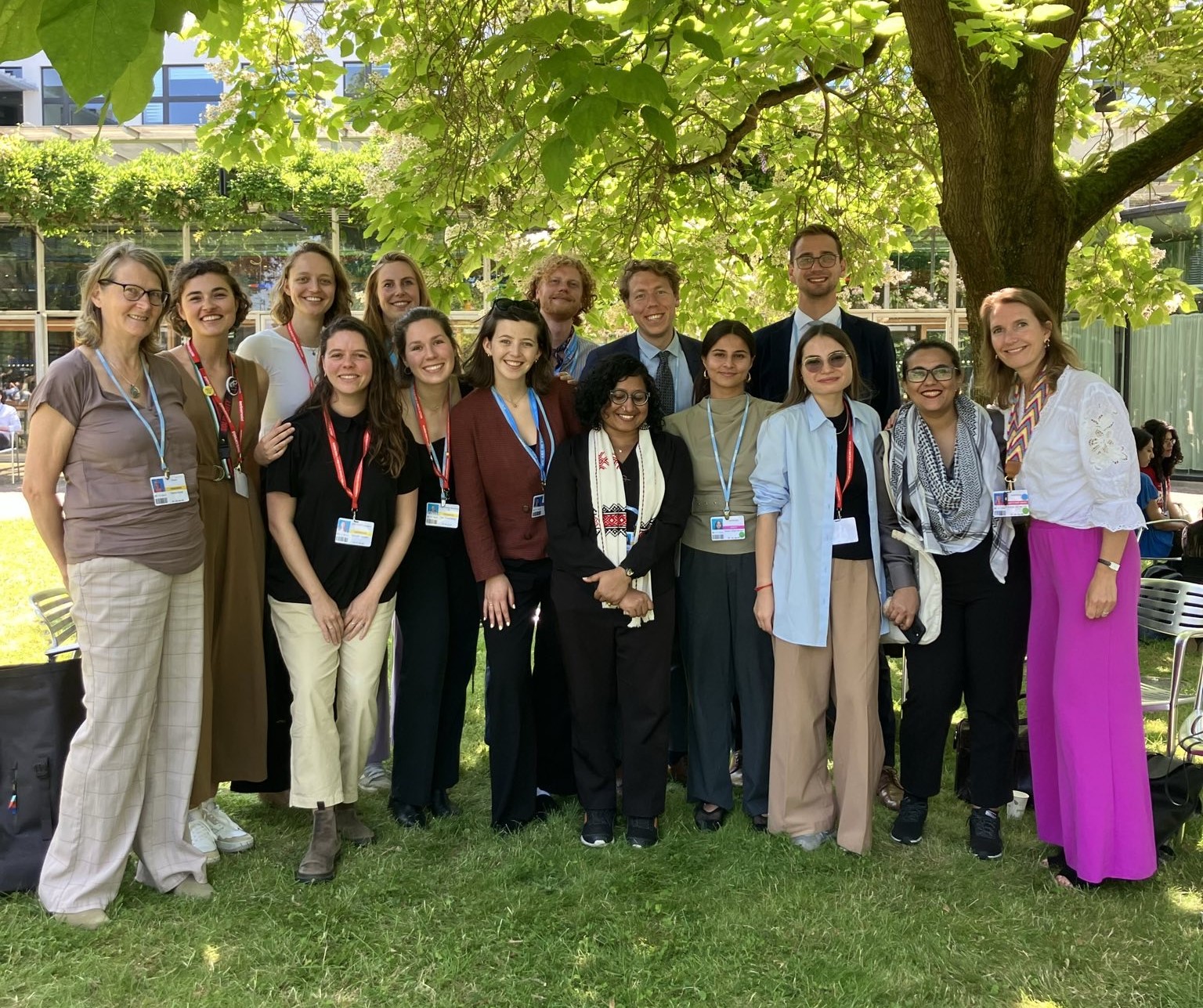
As the global climate crisis continues to intensify, gender equality remains a critical yet often underexamined component of effective climate action. For this reason, out colleagues Eva Lia Colombo and Cléo Dorel-Watson, together with our members and partners Oxfam Novib, Milieudefensie, CARE Nederland, ActionAid Nederland, Mercy Corps, Simavi, and Women Engage for a Common Future (WECF),
participated in the climate negotiations in Bonn to deliver a clear
message: without gender equality, there can be no climate justice.
Gender Equality as a Prerequisite for Just and Effective Outcomes at Climate Summits
Investing
in women's rights and gender equality is essential for addressing the
interconnected climate and biodiversity crises effectively. Women, in
all their diversity, contribute through their expertise and their local and Indigenous knowledge to the conservation of biodiversity, the restoration of ecosystems, and
the development of effective climate solutions. Moreover, it is often
Indigenous women who lead resistance efforts against fossil fuel
projects and the
degradation of ecosystems. It is therefore of paramount importance that
their voices are heard in international fora such as climate summits.
Only when their priorities are meaningfully incorporated into political
decision-making processes can progress be made towards inclusive and effective international climate policy.
During a session organised by WO=MEN with the Dutch UNFCCC delegation, winners of the Gender-Just Climate Solutions Award, Anisa Abibulloeva from Tajikistan, Bhavya George from India, and Hira Amjad from Pakistan, shared how their gender-transformative climate initiatives make impactful contributions to addressing the climate crisis. Their accounts highlighted inspiring examples, including women in the mountainous regions of Tajikistan leading the transition to solar energy, as well as women in India who combine deeply rooted ancestral knowledge with modern scientific approaches to protect vulnerable ecosystems. These cases demonstrate that, while women are disproportionately affected by the climate crisis, they are also indispensable agents in advancing its solutions.
The Importance of an Ambitious Gender Action Plan
This year, the climate negotiations in Bonn are more critical than ever for advancing gender equality and women's rights worldwide. A central focus of this year's discussion is the development of a new Gender Action Plan (GAP). The Gender Action Plan constitutes a vital international
implementation framework that supports countries and other stakeholders
in translating commitments into concrete action. It provides practical guidance for making climate policy more equitable and gender responsive. In this context, it is essential that women and girls, in all their diversity, are engaged in climate solutions in a fair and meaningful manner.
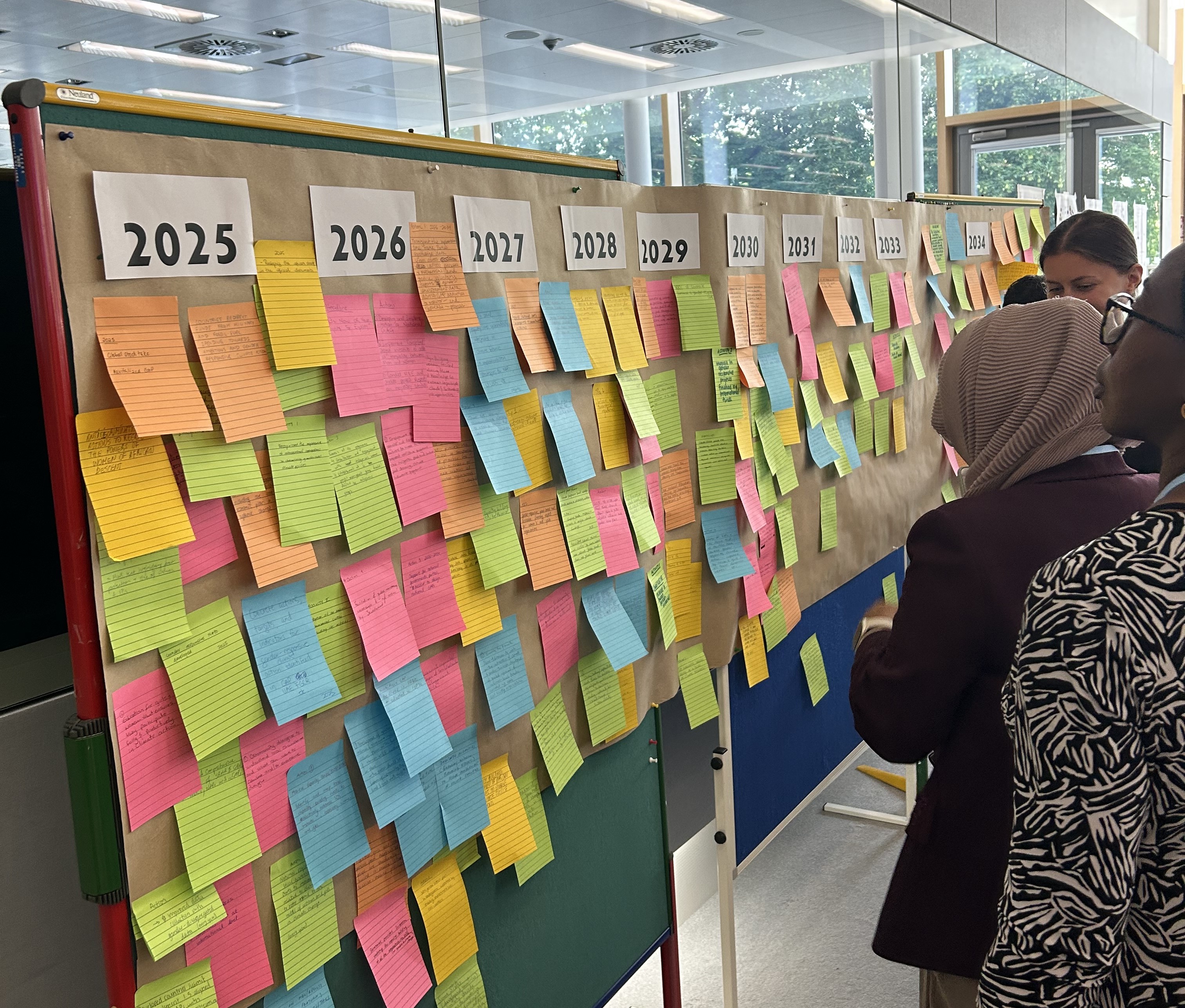
Photo: Gender Action Plan Workshop, June 2025
During the first week of negotiations in Bonn, Member States engaged in three days of intensive dialogue with civil society actors to collaboratively shape the content of the action plan. As countries are also submitting their updated climate plans this year, namely their Nationally Determined Contributions (NDCs), this represents a critical opportunity to align policy objectives with transformative change, including for women and girls in all their diversity. The new Gender Action Plan will provide guidance for integrating gender equality across all negotiation tracks, including adaptation, mitigation, finance, and technology, as well as the transition towards a sustainable economy, often referred to as a just transition.
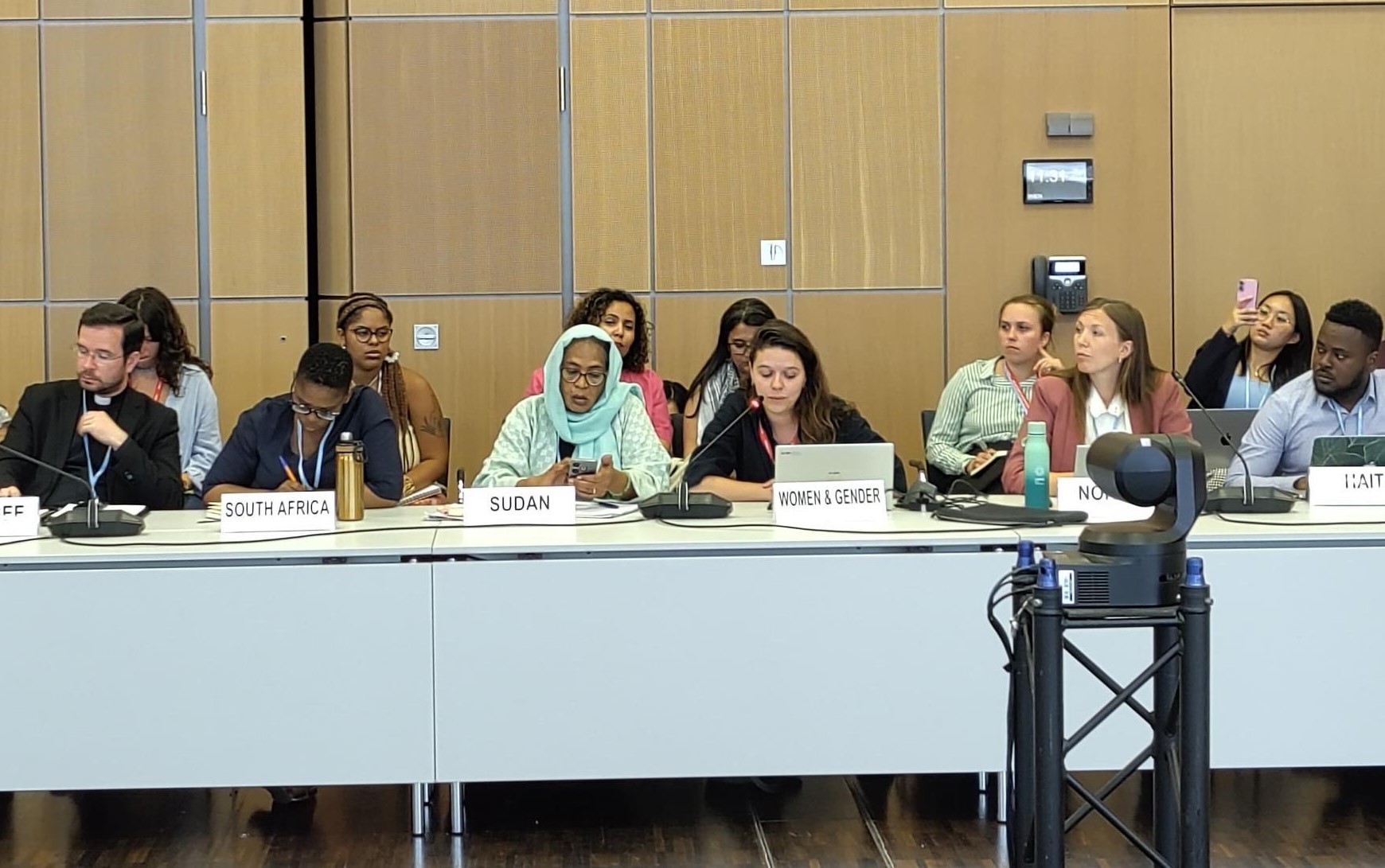
Photo: Eva speaking during the UNFCCC gender negotiations, June 2025
At the outset of the negotiations, our colleague Eva, speaking on behalf of the Women and Gender Constituency, addressed Member States in the negotiating chamber on the importance of gender equality in climate action. She also expressed concern regarding
the limited attention given to gender equality within the priorities of
the Brazilian Presidency. Further information can be found in the
statement titled "COP30 Presidency, This Will Not Stand” by the Women and Gender Constituency.
Work Ahead Towards Brazil
Time is of the essence. Without an ambitious Gender Action Plan, millions of women and girls will remain excluded from climate decision-making processes. We call upon all Member States to assume their responsibility at the upcoming climate summit in Brazil (COP30) and to ensure the adoption of a plan that recognises gender equality as a core component of climate action, place women's and human rights at its centre, acknowledge
intersectionality, and support local communities that are already
disproportionately affected by the climate crisis. WO=MEN, in
collaboration with its members and international partners, will continue to closely monitor this process in the months ahead.
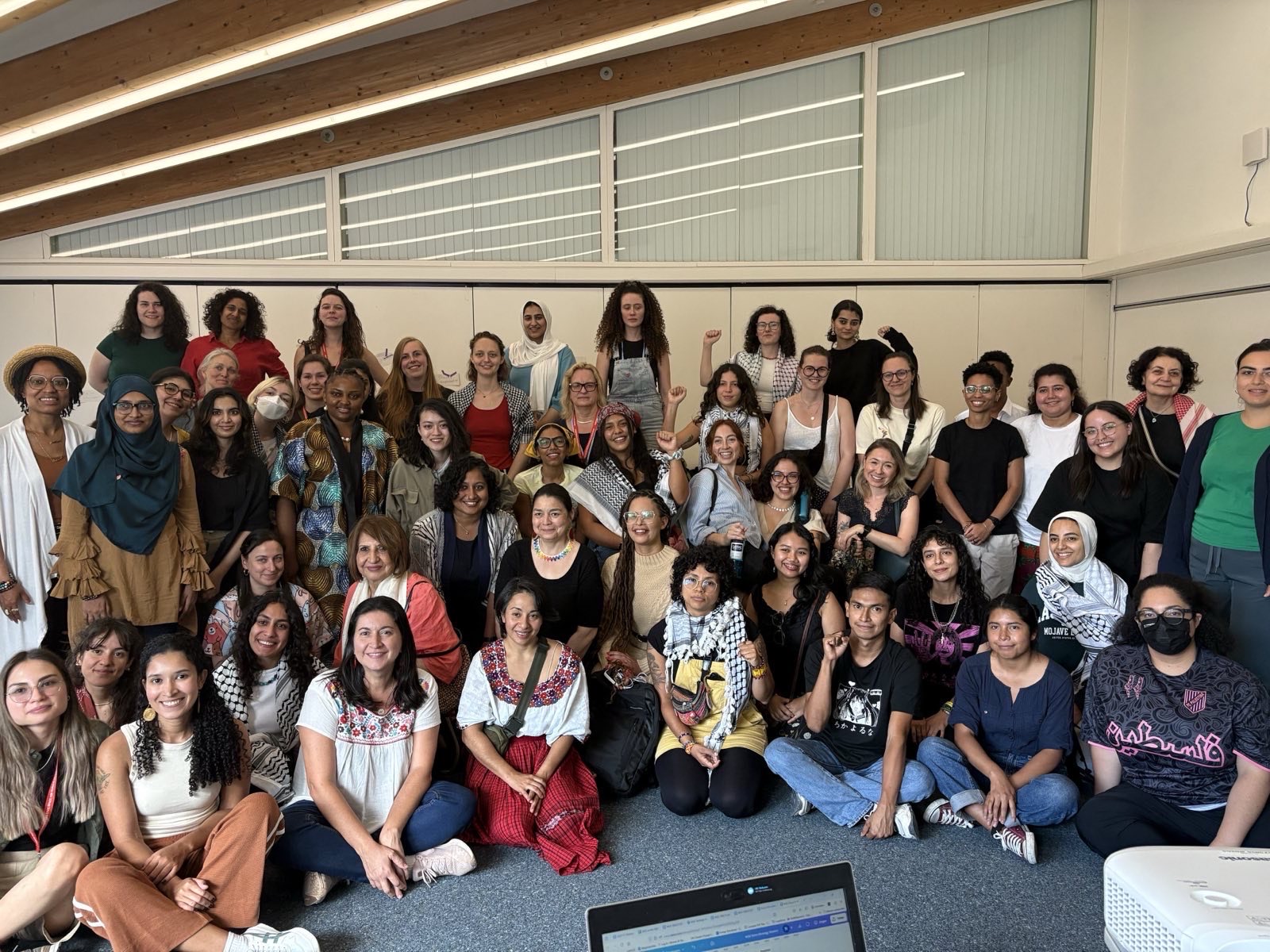
Photo: Women and Gender Constituency strategy session, June 2025