Every year, delegations of UN member states, civil society organizations (like national and international NGOs, labour unions and activists) come together for a ten-day conference. This typically happens in March at the UN headquarters in New York. This annual meeting addresses three themes: a priority theme, review theme from previous CSWs, and an emerging issue.
The
CSW Agreed Conclusions consist of two parts:
- an analysis of the session’s priority theme
- and concrete recommendations to be implemented at the local, regional, national, and international level.
Why Care About the CSW?
The CSW is the most important commission within the UN system to promote gender equality and the empowerment of women and girls. It is an important space for governments and others to assess challenges, opportunities, and progress towards achieving this goal, as well as to share best practices and develop strategies. This annual meeting provides member states with the opportunity to re-confirm their commitments and set new goals and policies to promote gender equality and women’s rights.
The CSW outcome is essentially an advocacy document. UN member states have publicly committed to the Agreed Conclusions, which means that civil society organizations can use them to advocate for follow-up of the recommendations and hold their governments accountable.
The CSW is also a great space for feminists to learn about regional, national, and international developments, new commitments, and recommendations for the fight for gender equality. Use the CSW as a tool to advance your own knowledge, network and feminist activism. The NGO CSW Forum plays an important role here as not everyone can access the formal CSW spaces inside the UN building (in regular years when civil society is not banned to virtual meetings only).
What You Need to Know About This Year’s CSW: CSW66
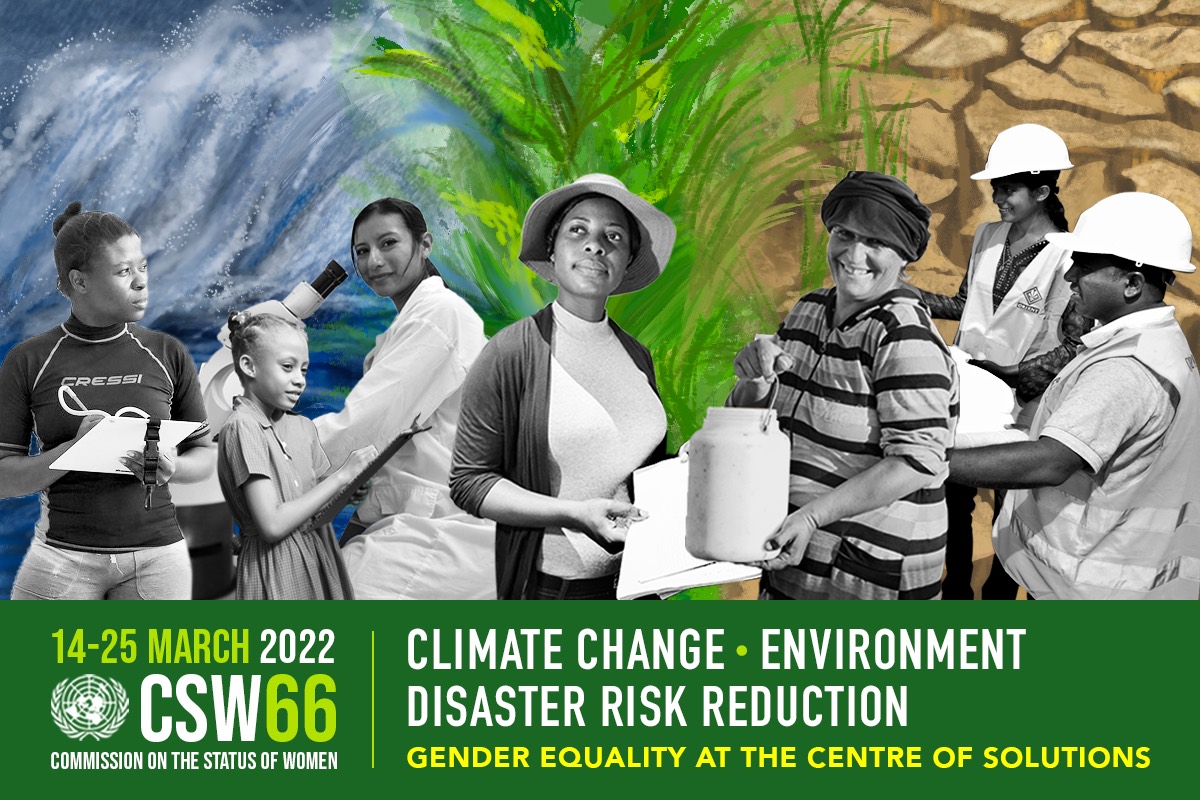
This year will be the 66th edition of the CSW. The CSW66 will take place from 14-25 March 2022. Due to the ongoing covid-19 pandemic, it will take a hybrid form. The informals will take place in person in New York. All side events will be virtual. This offers both opportunities and challenges. Online meetings may be more accessible. People who would have otherwise not had the resources or visa access to come to New York are welcome in the virtual sessions. When the CSW takes place physically, there are also restrictions around who can get access passes to enter the UN building. This is not an obstacle with the virtual set-up. At the same time, it makes it harder to meet and lobby with members of country delegations. And, for us in the Netherlands it means adjusting our schedules and attending meetings at odd hours in the night!
The main theme of the CSW66 is:
"Achieving gender equality and the empowerment of all women and girls in the context of climate change, environmental and disaster risk reduction policies and programmes.”
This year will be the first time the CSW will convene around the interconnections between gender (in)equality, climate change and environmental degradation. This opens up opportunities to negotiate and implement "new” progressive language in the Agreed Conclusions (for instance, using "climate crisis”, instead of "climate change”). It also allows for bridges to be built between women’s rights and environmental defenders.
How Can You Get Involved?
You can join a (Dutch) civil society organization working on the CSW or simply sign up with
WO=MEN. This allows you to contribute to the civil society input, and advocate for more inclusive and ambitious recommendations and follow-up action.
You can also follow any events of your interest
- Register to the parallel NGO CSW Forum to access the full programme of events here
- See the schedule with formal side events here
- See a collection of interesting events by WO=MEN members and other Dutch civil society organisations here
I can’t wait!
Whilst the CSW can be confusing at first, it creates a space for feminists from all over the world to come together, meet each other, share lived experiences, and fight for what we care about most: a gender just world for all. I can’t wait for it to start!
Helpful Resources:
This blog post was written by Lea Niewerth